


Celebrating the Vibrant Traditions of Chinese New Year 2026
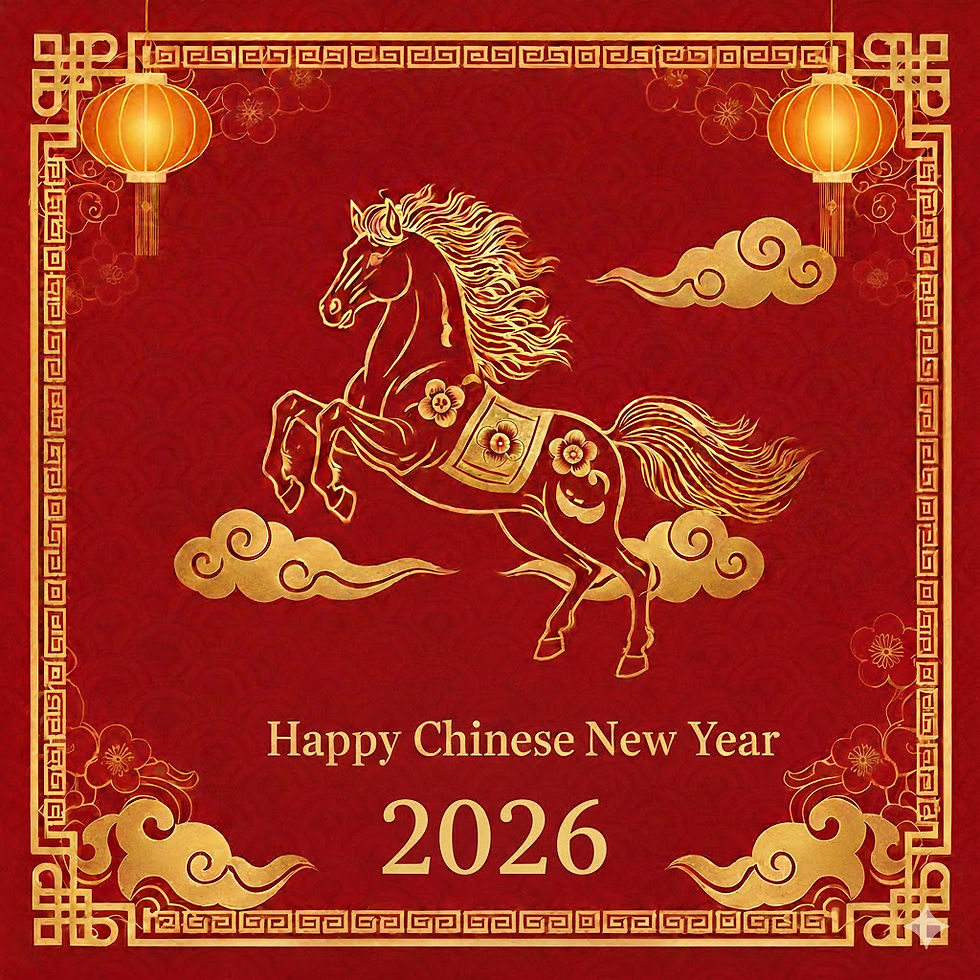
Chinese New Year 2026 marks the beginning of the Year of the Horse, a symbol of energy, strength, and freedom. This festival is one of the most significant celebrations in Chinese culture, filled with rich customs and lively activities that bring families and communities together. Understanding these traditions offers a glimpse into the values and history that shape this annual event.

The Meaning Behind the Year of the Horse
Each Chinese New Year corresponds to one of the 12 animals in the Chinese zodiac. The horse represents speed, perseverance, and independence. People born in the Year of the Horse are often seen as energetic and intelligent. In 2026, these qualities are celebrated and hoped to inspire success and happiness throughout the year.
Preparations and Decorations
Preparation for Chinese New Year begins well before the first day of the new lunar calendar. Homes are thoroughly cleaned to sweep away bad luck and make room for good fortune. Decorations play a crucial role in setting the festive mood:
Red lanterns symbolize prosperity and joy.
Paper cuttings with characters for luck and happiness adorn windows.
Couplets with poetic phrases are placed on doorways to invite positive energy.
These decorations are not only beautiful but also carry deep cultural meanings that connect people to their heritage.
Traditional Foods and Their Symbolism
Food is central to Chinese New Year celebrations. Families gather to share meals that include dishes believed to bring luck and wealth:
Dumplings shaped like ancient gold ingots represent wealth.
Fish is served whole to symbolize abundance.
Nian gao, a sticky rice cake, signifies progress and growth.
Each dish is carefully chosen to express hopes for the coming year. Sharing these meals strengthens family bonds and honors ancestors.
Festive Activities and Customs
Chinese New Year is filled with activities that combine fun and tradition. Some of the most popular include:
Lion and dragon dances performed in streets to scare away evil spirits and bring good luck.
Fireworks and firecrackers to celebrate and ward off bad luck.
Red envelopes containing money are given to children and unmarried adults as blessings for prosperity.
These customs create a lively atmosphere and remind participants of the festival’s deeper meanings.
Family Reunions and Community Spirit
At its heart, Chinese New Year is about family. Many people travel long distances to be with loved ones. The reunion dinner on New Year's Eve is the most important meal of the year, symbolizing unity and harmony.
Communities also come together for public celebrations, parades, and temple fairs. These events offer opportunities to share culture, enjoy performances, and strengthen social ties.
Modern Celebrations and Global Influence
While rooted in tradition, Chinese New Year has evolved with the times. Cities around the world host large-scale events that attract diverse audiences. Technology allows families separated by distance to connect through video calls and virtual celebrations.
Despite changes, the core values of respect, renewal, and hope remain central. This blend of old and new keeps the festival relevant and meaningful for younger generations.


Comments